
Dog Days of Summer
We first published this article in 2021. We felt with the upcoming hurricane season predicted to be a big one, we should update and republish.
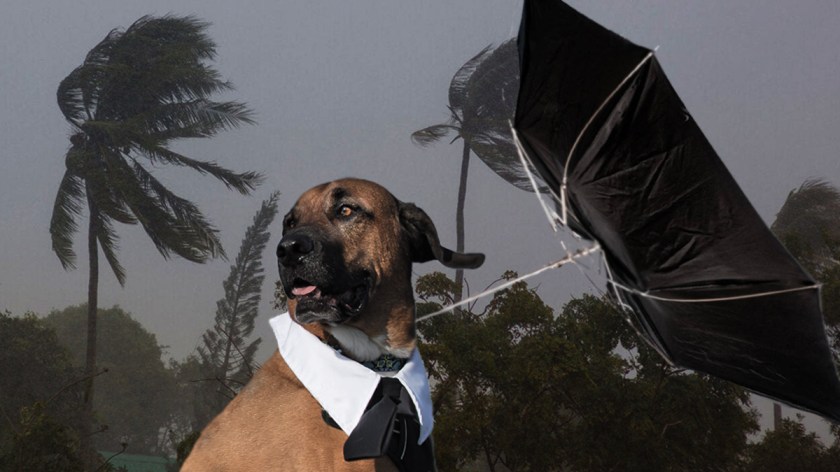
It has been hot out there and this hot weather means that we are likely to see hurricanes this season. Hurricane season in the tropics starts on the 1st of June and runs through until the end of November. Where there’s hurricanes, there’s rain. Lots and lots of rain. Hurricane season can smell a bit like wet dog for us dog lovers.
Long periods of rain, stormy weather, flooding, tropical storms and hurricanes can impact pet carers and their pets in many ways, some expected and some not so much. We have been through a lot of hurricane seasons and hurricanes with pets, so we hope that we can help other pet guardians by sharing some top tips on preparing for extreme weather conditions.
We’re going to start with some of the things you may not have thought about if you haven’t lived with pets through a rainy season in the tropics.
Getting your dog used to the rain

You may not realise it, but it is super important to get your dog used to going out in the rain. If you do not, you may start to experience housetraining problems in bad weather because your dog does not feel comfortable toileting outside. So, start by making the rain something fun for your dogs.
If you’re not from England, like we are, you may find this a very novel concept. In England, we had to walk the dogs in the rain every single day. Well, almost. Sometimes for miles, barefoot, shivering and starving. Ok. we made that last bit up for drama, but still, we were not very used to sunshine there.
It is likely that you will spend more time inside during hurricane season, so your dogs may get bored. If you want to make this a better experience for all of you, play games and practice training with your dog in the house daily. You can find a ton of fun ways to do that on line. In fact, we have written an article all about a great site called 100 days of enrichment. Bored and stressed dogs are no fun during a storm or its aftermath and, if you are staying in temporary accommodation, keeping them busy will reduce the risk that they will damage things.
Increased risk of contact with insects and other small creatures
Rainy season brings mosquitoes. If you haven’t already started your dog on monthly heartworm medication, talk to your veterinarian because mosquitoes transmit this deadly disease and it is endemic in the tropics.
Speaking of insects, heavy rain may drive many more insects, arachnids and other creatures into your home. While things like scorpions and tarantulas may be frightening to us, to dogs and cats, they are prey and playthings. Do not panic if your pet gets stung unless there is swelling affecting their breathing. If that does happen, go straight to the vet. Make sure you are aware of the insects of medical importance in your region and if you are worried about your pet’s well being after they have interacted with a venomous biting creature, hurry straight down to the vet. If you can, take a photo whatever bit them.
Thunder and lighting can be very very frightening
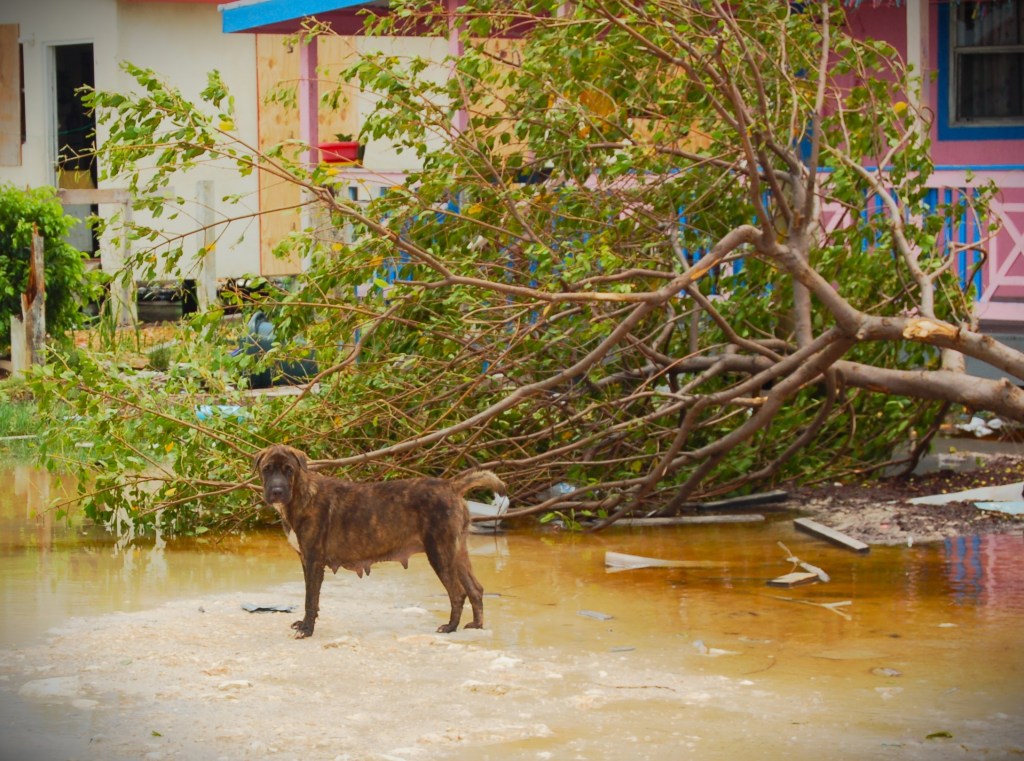
One of the things about rainy season that causes a lot of problems for pets and their humans is thunder and lightning and that rhymes with frightening for a good reason. It can be scary. So, start teaching your dog and cat to associate loud noises with positive experiences long before rainy season starts (or firework season). There are a lot of helpful sound desensitisation programmes for this available online. We’ve written a detailed article to help you with this.
If you feel you need extra help, contact a professional dog trainer with experience with this issue. If it is too late and there are already scary noises, close curtains, turn up some relaxing music, give your dog something enriching to do like a toy stuffed with food, and spend time with them. Some people find that a product called Thunder Shirt helps. If your dog is so anxious that it is affecting their wellbeing, discuss medical options with your vet. Don’t ignore your pet or leave them alone in a room. Can you imagine how horrible it would be if the people you loved and trusted abandoned you when you were terrified? Comfort your pet. It is a fallacy that comforting frightened pets will make them learn to be more frightened.
Prep List for Hurricanes
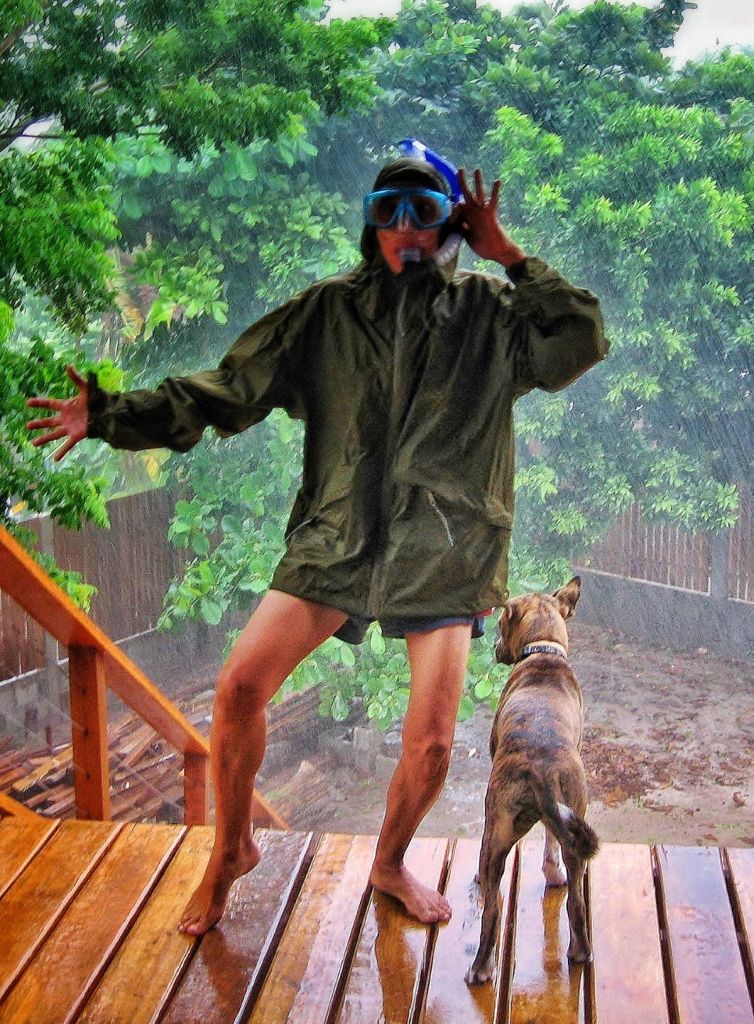
These are things that we have learned over the years that can help you prepare for a hurricane if you have a pet. Getting a ‘grab and go’ bag together for your pets will ensure that you have one less thing to worry about.
- Collar and ID tag – Make sure your pet wears an appropriate collar (not a slip or choke collar – for cats a break away collar) and identification tags. Pets are often lost during storms and it is important that rescuers can identify them to get them home to you as quickly as possible. Flooding, tree damage, lightning, doors, or windows being damaged, and fences coming down are just some of the things that can result in a pet being lost. Don’t take any chances.
- Microchips and other identification – Microchipping is becoming more common, so this may be a helpful option if you need to identify your pet. In very serious natural disasters, you may even want to use a permanent marker to write your phone number somewhere on your dog where it can be seen.
- Photographs – Have recent photographs of your pet easily accessible so that you can prove ownership. Ideally have photos of yourself with your pet.
- Medication – If your dog has medication, make sure you have a supply along with any prescriptions that may be required.
- Veterinary records – Keep your pet’s veterinary records/vaccination records in something waterproof and keep them in your ‘grab and go’ bag should you need to evacuate.
- Special diets – If your dog is on a special diet, make sure you have a stock to get you through until you may be able to resupply. We recommend no less than seven days worth. And, of course a feeding bowl.
- Collapsible bowl, thermoses, water, water purifiers – Being able to provide your pet with clean and safe drinking water is essential.
- Cat litter & pee pads – If you have to evacuate or if you cannot leave your home for an extended period, your pet may have to toilet indoors. Plan a toileting area in your home.
- Identify veterinary care – Talk to your vet before the storm. Find out if they will be available if you need help. If not, find the closest emergency vet available in case you need their help.
- First aid kit – Put together a pet first aid kit in case of emergencies. This can include gauze, non stick bandages, pet friendly antibiotic spray/ointment, tweezers, scissors, cotton buds, pet friendly eye wash, and syptic powder.
- Evacuation accommodation – If you know that evacuation is likely, start researching where you can stay with your pet that will be pet friendly. Ensure you know their specific policies, if they can accommodate all of your pets, and at what cost. Make reservations early.
- Paw protection – During flooding, avoid walking your dog in areas where there may be sharp debris. You may wish to consider buying booties and getting your dog used to them.
- Information list – Have a list of emergency contacts with all the important information about your pet including their diet, medication, emergency vet numbers, relatives or friends who can take care of them. If anything happens to you, you want to make it easy for your pets to be cared for quickly. Make sure you have arranged with someone who can care for them in an emergency. Think about making proper arrangements for your pets in your will should the worst happen.
How to be an animal helper

Talk to your local animal welfare organisations before the storm and ask how you can help and support them. If you know your home is safe and you are able, offer to foster some of their animals before the storm. We shouldn’t have to say this but, never leave your pet in your home while you evacuate and definitely do not tie them up outside and leave them. We have always been surprised and shocked when people do this. After the storm, if you want to help, have a look around and see if any pets have been left behind, been abandoned or escaped. Work with local animal welfare groups to get help to those animals.
If you have any other tips you think I should add to this list, please let me know. We want you and your pets to be safe this and every hurricane season.
 Pet Friendly Yucatan