

Spaying and neutering—two words that can spark heated debates among dog lovers, veterinarians, and animal welfare advocates. Yet, these procedures remain the most common surgeries performed on dogs worldwide, serving as the cornerstone of population control. With hundreds of millions of stray dogs suffering on the streets, spreading disease, and facing short, painful lives, the need for effective solutions is undeniable. Sterilising dogs not only reduces suffering but also addresses the challenges faced by the human communities living around them.
For dogs in loving homes, the decision to spay or neuter is more nuanced. While the benefits are clear, emerging research suggests that timing and breed-specific considerations matter. Let’s take a closer look at spaying and neutering, examining its benefits, concerns, controversies, and the profound impact it has on dogs and communities around the world.

What Exactly is Spaying and Neutering?
Spaying, or ovariohysterectomy, involves removing a female dog’s ovaries, fallopian tubes, and uterus, preventing pregnancy and heat cycles. Neutering, or castration, removes a male dog’s testes, eliminating their ability to father puppies. Both procedures are performed under general anesthesia and are considered routine, with most dogs recovering quickly.
The Pros: Why Spaying and Neutering Matters
Health Benefits
- For Females: Spaying prevents pyometra, a life-threatening uterine infection, and significantly reduces the risk of mammary tumors, especially if done before the dog turns two. It also eliminates the risk of false pregnancies, which can be emotionally traumatic for both dogs and their owners. False pregnancies can cause anxiety, milk production, and even false labour in unspayed females.
- For Males: Neutering eliminates the risk of testicular cancer and reduces the likelihood of prostate issues and hernias. It also lowers the risk of perineal tumors, which are more common in intact males.
- Disease Prevention: In regions where Canine Transmissible Venereal Tumor (TVT) is prevalent, spaying and neutering reduce the spread of this contagious disease, which can be transmitted through mating, sniffing, or licking.

Behavioral Benefits
While dogs should never be spayed or neutered as a treatment for behaviour problems such as aggression, there are some behavioural benefits associated with sterilisation.
- Neutering can reduce sexually motivated behaviors in males, such as scent marking, sexual mounting, and roaming. While it doesn’t curb aggression, it can lessen the urge to escape and seek mates, reducing the risk of fights, accidents, and being picked up by authorities as a stray.
- Spaying eliminates heat cycles, which can be stressful for female dogs, especially strays who may face repeated mating attempts, sometimes with dangerous consequences. Street dogs can come into heat as early as 18 weeks, and the size difference between mating pairs and the number of repeated matings can be life-threatening.

Population Control
This is the most critical benefit. Spaying and neutering prevent unwanted litters, directly reducing the number of stray and homeless dogs. This not only improves animal welfare but also addresses public health concerns, such as zoonotic diseases and community safety.
Longevity and Cost Savings
Spayed and neutered dogs often live longer, healthier lives and incur lower veterinary costs over their lifetimes.
The Cons: What You Need to Know
While the benefits are substantial, it’s essential to know the risks:
Surgical Risks
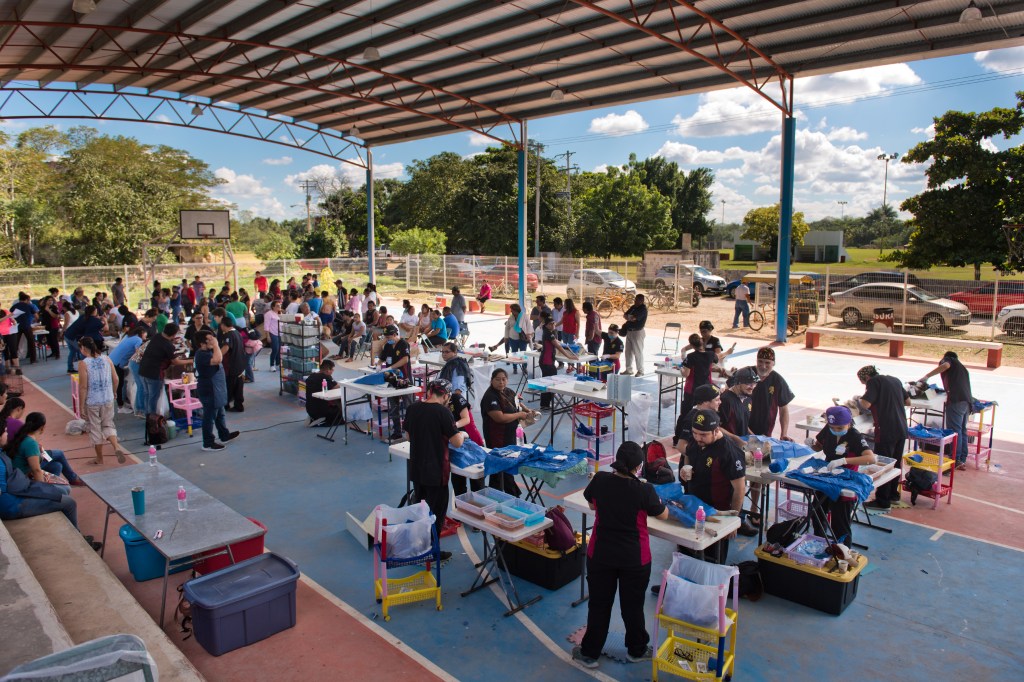
All surgeries carry risks, and spaying is more invasive than neutering. Complications, though rare, can include reactions to anesthesia, infections, or blood loss, especially if a female dog is in heat during the procedure. In private clinical situations, risks are assessed pre surgically. At large sterilisation clinics, which are often held in sub optimal conditions, with dogs that are higher than average risk, the knowledge and outstanding skill of specialist surgeons ensures that the incidence of surgical complications remains very low. These veterinarians are specially trained to perform a spay surgery in around seven minutes and will spay up to 50 dogs in a day.
Metabolic Changes
Sterilisation alters a dog’s hormones, which can lead to weight gain and diabetes. However, this is manageable with proper diet and exercise. Interestingly, some studies suggest that female dogs are less likely than males to gain weight after spaying.
Potential Health Risks
Some studies suggest that spaying or neutering certain breeds before they reach full maturity may increase the risk of hip dysplasia, cruciate ligament injuries, or specific cancers like hemangiosarcoma and lymphoma. For example, spayed female dogs of certain breeds may have a higher risk of these cancers. For dogs in loving homes, it is essential that guardians seek breed specific guidance from their veterinarian about spaying and neutering.
Behavioral Changes
Dogs used to be neutered to prevent or address behaviour such as aggression. This is no longer recommended as there is now evidence that in some cases neutering may contribute to increased human-directed aggression or anxiety.
Why the Controversy?
Opposition to spaying and neutering often stems from ethical concerns, with some viewing it as an elective surgery for human convenience rather than animal welfare. In countries like Norway, where stray dog populations are minimal, sterilisation is only permitted for medical reasons. Cultural and religious beliefs may also be reflected in negative attitudes towards sterilisation. However, in regions grappling with overpopulation, such as Mexico and other countries in the Americas, spaying and neutering are vital tools for improving both animal and human welfare.

The Stray Dog Crisis: A Global Perspective
With over 200 million stray dogs worldwide, the need for population control is urgent. In the U.S., rural areas face significant challenges, with feral dogs causing millions in livestock damage annually. According to the State of Pet Homelessness Project, there are 5.9 million stray dogs in the U.S. and 2.3 million in shelters.
In Mexico, the situation is even more dire, with an estimated 18 million stray dogs. Here, sterilisation isn’t a luxury—it’s a necessity. Mexico City leads the way with government-run clinics offering free or low-cost spay and neuter services. Grassroots organisations and international initiatives, like Planned Pethood International, have also made strides, performing thousands of surgeries in a single weekend and training veterinarians in advanced techniques.

Can Spaying and Neutering Solve the Stray Problem?
In isolated communities, sterilisation can effectively curb overpopulation. However, in larger cities, the sheer number of stray and intentionally bred dogs presents a daunting challenge. Yet, sterilisation programs do more than reduce numbers—they shift attitudes. By valuing dogs and modeling responsible care, these initiatives foster empathy and community engagement, paving the way for long-term change. Education, legislation, enforcement and access to subsidised veterinary care are all essential parts of solving the stray problem. While rescuing, sheltering, and rehoming are wonderful ways to help dogs in need, they do not contribute to reducing pet overpopulation unless they are prioritising spaying and neutering as part of their programmes.
How You Can Help
- Start Locally: Support sterilisation and education programs in your community.
- Advocate for Change: Get involved in lobbying and campaigning for stronger regulations on breeding and ownership. If you are not able to do this, support those who can.
- Support Grassroots Efforts: If helping abroad, focus on local organisations making sustainable impacts through education and sterilisation.
- Be a Responsible Traveler: If you encounter stray dogs while traveling, consult local welfare groups before feeding or intervening. Feeding stray dogs without sterilising them can lead to larger litters, exacerbating overpopulation.
The Bigger Picture
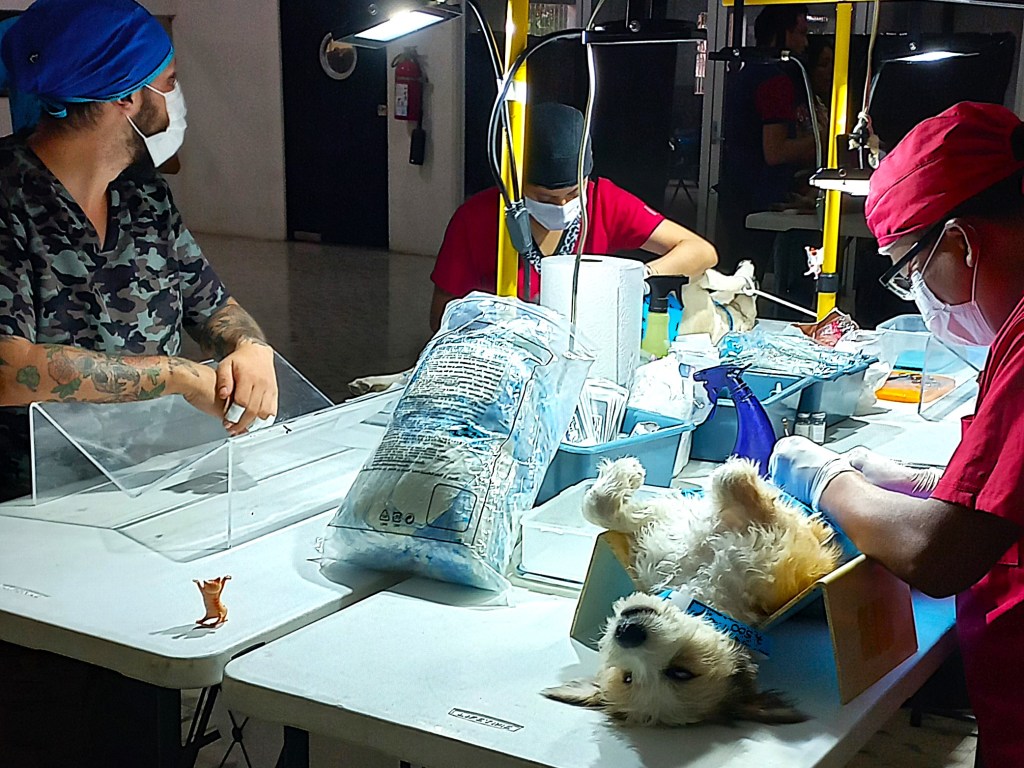
Spaying and neutering are more than just surgeries—they’re lifelines for millions of dogs and the communities they inhabit. While the debate continues, one thing is clear: in much of the world, these procedures are essential for creating a brighter, healthier future for dogs and humans alike. By supporting sterilisation efforts and advocating for responsible pet ownership, we can all play a part in reducing the stray dog population and improving animal welfare worldwide.
So, the next time you hear about spaying or neutering, remember: it’s not just about preventing puppies—it’s about making the world a better place for animals and people.
 Pet Friendly Yucatan
One comment