

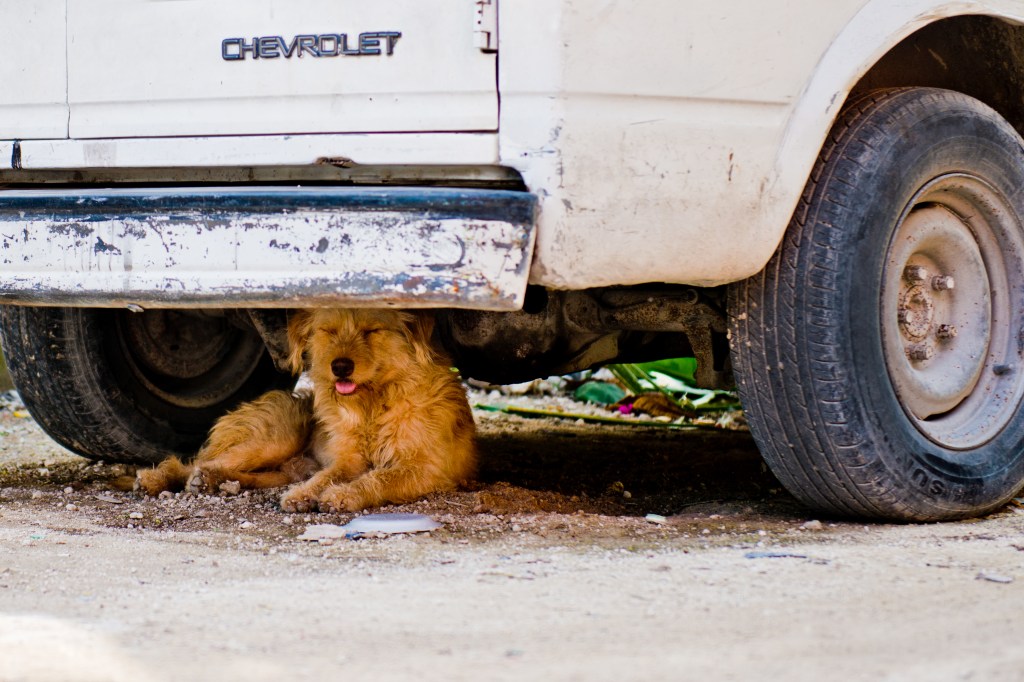
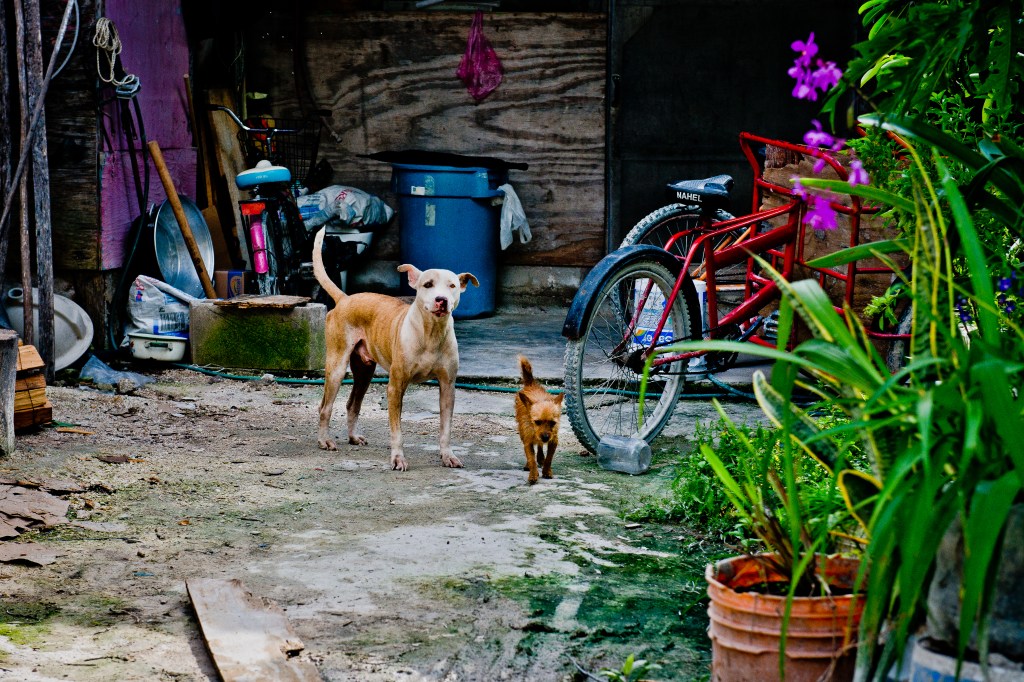
Mexico is a nation of dog lovers. There are an estimated 60 million of our canine friends living in the country. But here’s the heartbreaking truth: a whopping 30% of these pups are left to roam the streets, homeless and vulnerable.
According to data from the State of Pet Homelessness Project between 2022 and 2023, a staggering 18.8 million dogs call the streets of Mexico their home, while a further 96 thousand seek refuge in shelters. It’s a crisis that demands attention and action.
What do people think about spaying, neutering and adoption?
Uncontrolled breeding is a big part of the problem, leading to a seemingly never-ending tide of stray dogs. Recent studies delve into the reasons behind pet abandonment and rehoming in Mexico, shedding light on attitudes toward spaying, neutering, and adoption.
There are some uncomfortable facts. While a solid 54% of Mexicans believe in sterilisation as a solution, only a quarter of pet dogs undergo the procedure—far below the global average. And while most express compassion for strays, only a small fraction are rescued or adopted from shelters.
Encounters with stray dogs are a daily norm for over half of Mexico’s population, with a significant 70% of people wanting to see them kept safe in shelters. But here’s where things get interesting: while over a quarter of people around the world consider euthanasia as the best solution for strays, Mexico bucks the trend with only 18% considering it an option.

Why aren’t people adopting more dogs?
But here’s the rub: awareness about shelters remains low, with less than half of Mexican people knowing where to find them. Plus, there are some misconceptions floating around, with only 19% believing they could find their perfect pet in a shelter. Surprisingly, huskies top the list of favored pets, despite their overrepresentation among strays and shelter populations.
For most dog guardians in Mexico, it was found that a dog isn’t just a companion—it’s emotional support. Yet, the sad reality is that many part ways with their pets due to time, space, or behavioral issues. It’s clear: unrealistic expectations drive pet abandonment in Mexico.
How do we stop dogs from being abandoned?
Perhaps most alarming is that 30% of pet owners admit to rehoming or abandoning their furry pals, highlighting a gap between intention and action in responsible pet ownership. Education on pet care is key, but we also need to address these misconceptions head-on.
Moving forward, we must weave pet care education into community programs and tackle the root causes of abandonment. By empowering individuals to make informed decisions and challenging societal norms, we can take meaningful steps toward a brighter future for our four-legged friends and the communities we share with them.
Source: Much of the data in this article comes from the results of the Homeless Pet Index Attitudinal Studies conducted by Mars Petcare in Mexico


In the case you mentioned. Why are there shelter facilities for abandoned animals like the ASPCA in the states. Where they are treated for medical issues get them healthy and get them adopted?
I only know of 4 animal rescue shrlters and 3 if them are private individuals trying to help.
LikeLike
There are shelters and rescues all over Mexico. Unfortunately, adoption is not a popular option yet in Mexico. Education and awareness is hoping to change that. Funding animal shelters is hugely expensive and in Mexico, as in many countries with a huge pet overpopulation problem, it is often more practical to sterilise dogs and release them rather than put them into already overflowing kennel facilities where they would have to live their life without ever finding a home. So, the focus is on grassroots, effective and humane long term solutions, which are sterilisation and education.
Sadly, the US also has a huge pet overpopulation problem with 20% of the pets there homeless. You simply cannot shelter and rescue your way out of pet overpopulation.
LikeLike
If 30% of dogs are left to roam the streets due to folks immorally breeding dogs, what is being done to address this aspect of the issue?
LikeLike
Animal welfare organisations are working in their states to ensure that legislation – and there is legislation in places like Yucatan – is enforced. More than that, there are frequent sterilisation outreach clinics in small towns around Yucatan as well as permanent low cost sterlisations clinics in Merida.
LikeLike